The Culture of Queuing ― Valued Etiquette in Japan
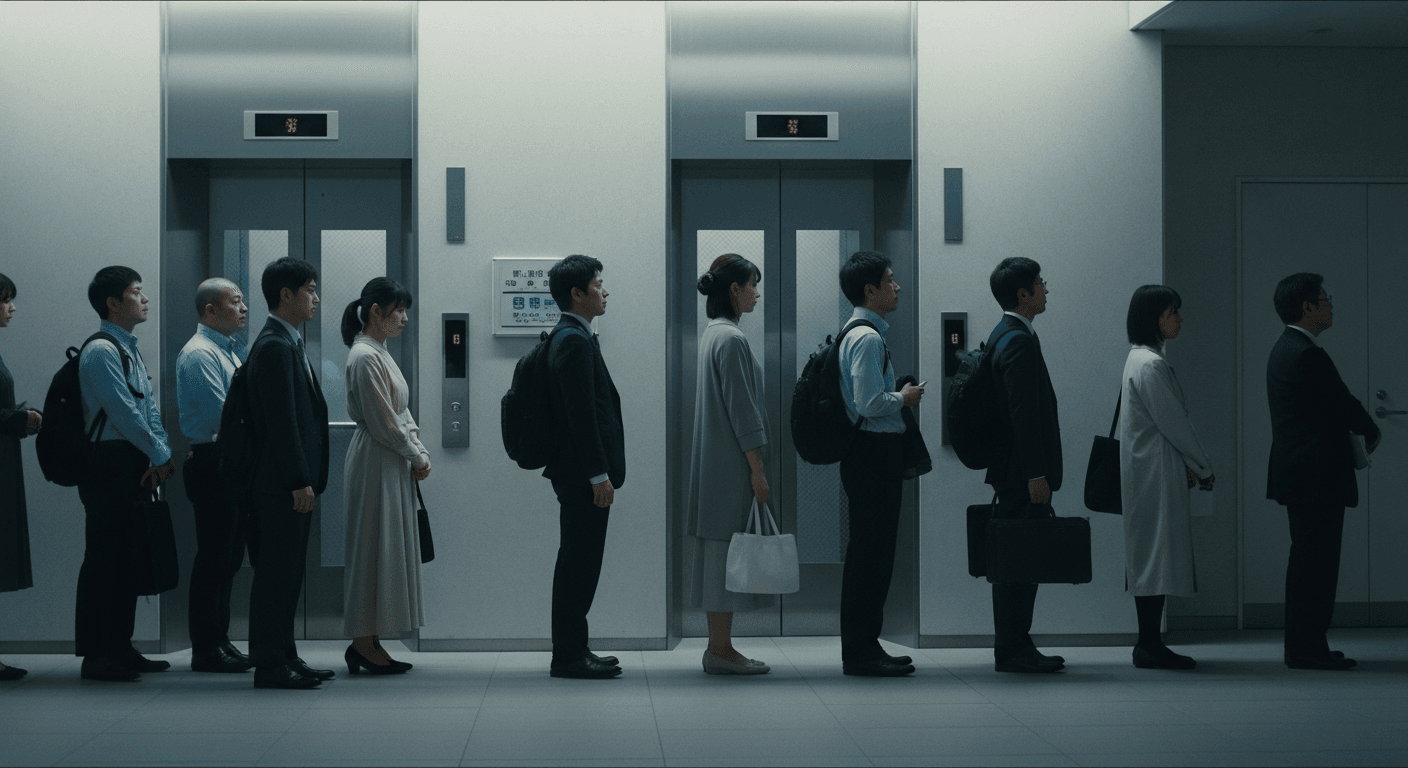
When visiting Japan, you’ll notice people quietly forming lines in many places—train platforms, in front of elevators, popular food stalls, and restaurants.
This is not just a habit, but a unique aspect of Japanese culture that values consideration for others and social order. For travelers, understanding and practicing this “culture of queuing” is an important part of etiquette.
Why People Queue
In Japan, “waiting your turn” is highly valued.
With many people using the same space, queuing ensures that everyone can receive services fairly and safely. Cutting in line or pushing not only inconveniences others but can also create an unpleasant experience for yourself.
Examples of Queuing
Train Platforms
Positions to stand in line are often marked on the ground. When the train arrives, passengers wait for others to exit before boarding.Elevators and Escalators
In crowded buildings and shopping areas, people naturally queue and wait their turn, entering only after the person in front has finished.Food Stalls and Restaurants
Popular eateries may have long lines, but everyone waits quietly and patiently without raising their voices.
Advice for Travelers
Queuing is considered “normal” in Japan. Even for a short line, it’s important to join at the end.
Observing the behavior of those around you will naturally show how to act. By waiting your turn, you also get to experience an essential part of Japanese culture.
Summary
The culture of queuing reflects Japanese respect for order and consideration for others.
Travelers who follow this etiquette can enjoy a smoother, more comfortable experience and are more likely to be positively received by locals.